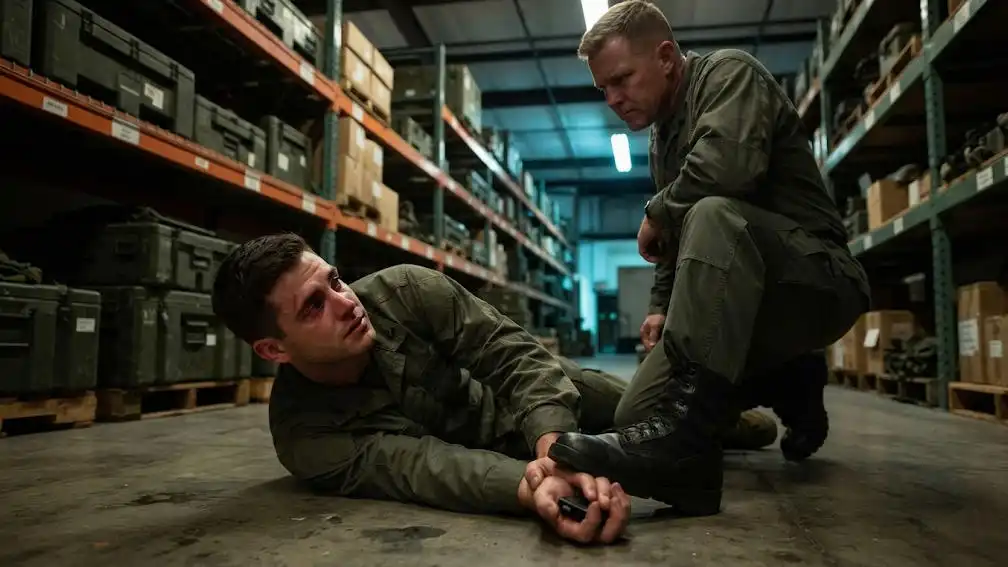

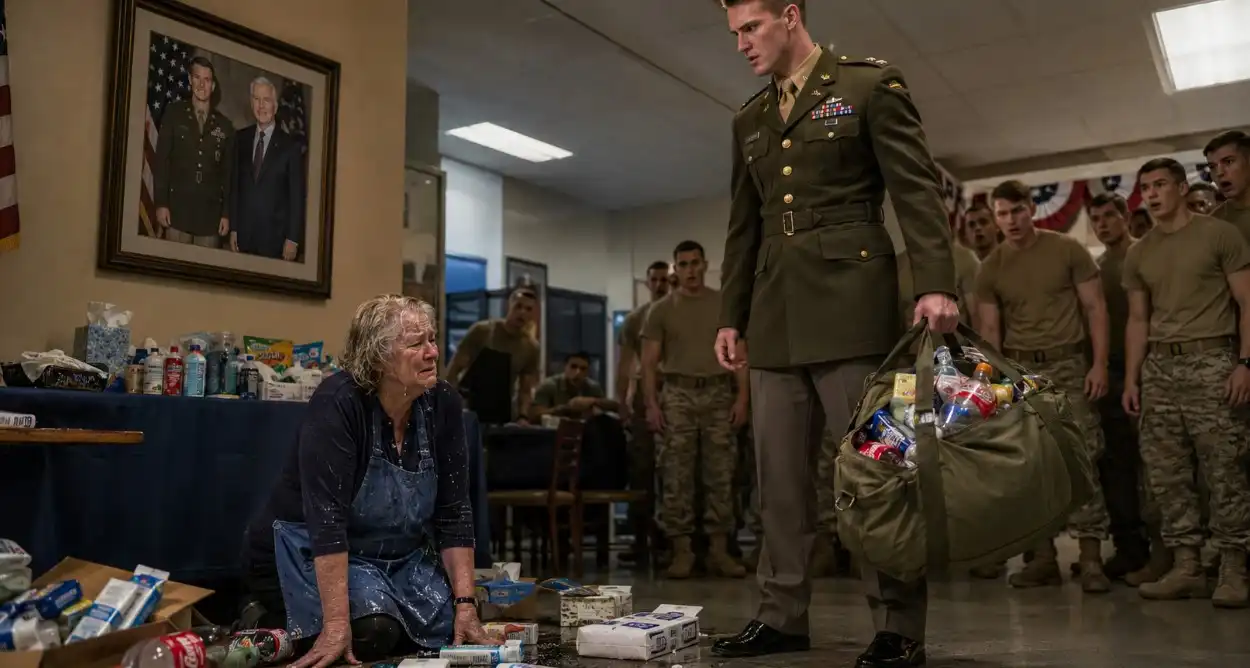
Lieutenant Rourke kicked the spilled donation box toward Margaret’s wet shoes and laughed, “That old picture won’t put these stripes on trial.” Margaret stood soaked in Coke beside the coffee counter, one trembling finger pointed at the framed photo on the wall. The recruits stared from the photo to the opening front doors. Rourke’s duffel bag sat half-zipped beside his boots, stuffed with USO supplies. Then the Secretary of Defense walked into the room and stopped cold. Nobody spoke. Not the recruits. Not the volunteers. Not Rourke. The only sound was ice sliding off Margaret’s apron and hitting the floor. The Secretary’s eyes moved from the spilled donation box to Margaret’s wet blouse. Then to the duffel bag. Then to the old photograph on the wall. His face changed. “Margaret?” Rourke’s head snapped toward her. For the first time, he looked confused. Margaret lowered her hand. “Good afternoon, Mr. Secretary.” The room went even quieter. Rourke tried to straighten his uniform. “Sir, this is not what it looks like.” The Secretary didn’t look at him yet. He walked straight to Margaret. The man who had entered with aides, security, and base leadership now looked like a young officer again, staring at someone from a life he still respected. He took off his suit jacket and placed it around her shoulders. “Who did this?” Margaret didn’t point dramatically. She didn’t raise her voice. She simply looked at Rourke. The recruits looked at him too. The volunteers looked at him. The base commander, standing behind the Secretary, saw the duffel. So did the military police captain near the door. Rourke lifted both hands. “She misunderstood. I was moving supplies for distribution.” One volunteer said, “No, sir.” Rourke glared at her. She swallowed hard, but kept going. “He was putting them in his personal bag.” Another volunteer nodded. “He’s done it before.” Rourke’s face hardened. “You better be careful.” The Secretary finally turned toward him. “Lieutenant.” That one word stopped him. Rourke snapped to attention. “Sir.” The Secretary pointed to the duffel. “Open it.” Rourke hesitated. The MP captain stepped forward. “Lieutenant, open the bag.” Rourke bent down slowly and unzipped it. Inside were sealed USO donation items. Coffee packs. Phone chargers. Protein bars. Blankets. Travel hygiene kits. Some still had donor tags tied around them. A young recruit near the table whispered, “Those are for us.” Rourke heard it. So did everyone else. The Secretary’s voice stayed low. “Mrs. Whitcomb asked you to put these back?” Rourke swallowed. “She interfered with movement of supplies.” Margaret spoke quietly. “The donation log is on the counter.” The Secretary looked at the counter. A clipboard sat there, wet at the edges from the Coke splash. Margaret pointed to it. “Every box is logged by donor, item count, and distribution purpose. Those two boxes were marked for incoming recruits and wounded transit personnel.” The base commander picked up the clipboard. His jaw tightened as he read. Rourke forced out a laugh. “With respect, this is being made into something bigger than it is. It’s snacks and comfort items.” Margaret looked at him. “No, Lieutenant. It is trust.” That landed harder than an insult. The MP captain crouched beside the duffel and lifted one coffee pack. “This has a price sticker residue on the side.” One volunteer stepped forward. “We saw similar packs at the off-base flea market last weekend.” Rourke snapped, “That proves nothing.” The Secretary looked at the MP captain. “Secure the items.” Rourke’s eyes widened. “Sir, you cannot be serious.” The Secretary’s face went cold. “You shoved a seventy-two-year-old USO volunteer to the floor, dumped ice soda on her, stole donated materials, and insulted her in front of new soldiers.” Rourke’s mouth opened. The Secretary cut him off. “And you did it under a photograph of the man who helped build this base.” Rourke glanced at the wall. The old photo suddenly mattered. In it, Colonel James Whitcomb stood beside a young officer with a grin and a field notebook tucked under his arm. The same young officer now stood in front of him as Secretary of Defense. The Secretary looked at the photograph. “Colonel Whitcomb was the first man who taught me that rank is not a license to take from soldiers. He also told me his wife could spot a liar before a commander could finish a briefing.” Margaret gave the smallest smile through wet hair. Rourke looked like the floor had dropped. “Sir, I didn’t know who she was.” The Secretary’s voice sharpened. “That is not the defense you think it is.” The room absorbed that. Because everyone understood. Rourke’s behavior was not wrong because Margaret knew someone important. It was wrong because he thought she didn’t. The base commander stepped beside him. “Lieutenant Rourke, you are relieved from duty pending investigation.” Rourke stared. “Relieved?” The MP captain moved closer. “Turn around, Lieutenant.” Rourke’s face went red. “For a misunderstanding?” Margaret’s voice stayed quiet. “For theft. For assault. For humiliating a volunteer in front of the soldiers she came here to serve.” Rourke pointed at the duffel. “That bag doesn’t prove resale.” The Secretary looked at the volunteers. “Is there inventory history?” Margaret nodded. “Three weeks of shortages. We started keeping duplicate counts after the first week.” One older volunteer reached under the counter and pulled out a second folder. Rourke went pale. Margaret took it and placed it beside the wet clipboard. “Origin: donated USO supplies from civilian families, veterans’ groups, and church drives.” She tapped the first page. “Visibility: signed into this center, counted by volunteers, and found in Lieutenant Rourke’s personal duffel.” She tapped the second folder. “Legal meaning: diversion of donated support materials from service members, combined with assault on a civilian volunteer.” Then she looked at the MP captain. “Consequence: command investigation, theft charges, and whatever else the law requires.” The MP captain nodded. “We’ll also check resale reports and off-base vendor complaints.” Rourke’s jaw dropped. The trap had not appeared from nowhere. It had been built by his own greed. The shortages. The donation logs. The duplicate counts. The witness statements. The bag at his feet. The soda on Margaret’s clothes. And the cruel sentence every recruit heard: “Old, useless busybody.” The MP captain took Rourke by the arm. He jerked once. “Don’t touch me.” The Secretary’s voice cut across the room. “Lieutenant, if you value anything left of your commission, stop talking.” Rourke stopped. The cuffs went on. A few recruits looked stunned, like they had never imagined an officer could be handcuffed in a place with coffee and cookies. Margaret watched quietly. No victory smile. No anger speech. Just tired eyes. As the MPs led Rourke toward the door, the Secretary gave one more order to the base commander. “Remove him from uniformed duties immediately. Preserve every log. Contact JAG. And audit every item that passed through this center in the last month.” Rourke turned back. “Sir, please. My career—” The Secretary looked at Margaret, still wet and shivering under his jacket. Then he looked at Rourke. “You should have thought of that before you stole from soldiers and laid hands on a woman who spent her life serving them.” The door closed behind Rourke. The room stayed still for several seconds. Then one of the new recruits stood. He didn’t know what else to do. So he saluted Margaret. Another recruit stood. Then another. Soon every soldier in the USO center was on their feet. Margaret pressed one hand to her mouth. “I’m not military,” she whispered. The Secretary answered softly. “No. You’re family.” That was when she finally cried. Not from the shove. Not from the Coke. Not even from the insult. From being seen. The investigation was brutal because Rourke had been careless. He had signed into the USO storage area three times. Security cameras showed him leaving with donation boxes. Volunteers had logged shortages after each visit. The off-base resale vendor identified him from a photo lineup. His personal messages showed he had joked about “free soldier snacks turning into weekend cash.” The duffel bag contained items from the same missing lots. And the witnesses confirmed he assaulted Margaret when she stopped him. His own words made it worse. “She’s an old, useless busybody who should’ve stayed home.” That sentence followed him into every report. By the end of the month, Lieutenant Caleb Rourke was facing court-martial proceedings. His commission was effectively finished. His unit removed him from leadership duties. His pay came under review for restitution. The stolen goods that could be recovered were returned. The rest became part of the charge sheet. His defense tried to make it small. Snacks. Blankets. Coffee. The JAG officer made it clear. They were donated for troops. They were entrusted to a service center. They were stolen by an officer. And when a volunteer defended them, he attacked her. Nothing about that was small. Margaret came back to the USO one week later. Everyone told her to rest longer. She refused. “They still need coffee,” she said. The first thing she did was straighten the old photograph on the wall. Her husband’s face looked back at her from another time. The Secretary had asked if she wanted the photo moved somewhere safer. She said no. “It belongs where young soldiers can see it.” The base changed after that. Donation storage got locked cabinets. The log system went digital. No officer could remove USO materials without two volunteer signatures and a distribution code. A small plaque was added beneath the old photograph: SERVICE IS NOT RANK. SERVICE IS WHAT YOU GIVE WHEN NO ONE IS WATCHING. At the next base formation, the Secretary returned before leaving the installation. This time, Margaret stood at the front in a clean blue USO cardigan. No Coke. No ice. No crooked glasses. Just the same soft smile she had given nervous recruits for years. The Secretary stepped to the microphone. “This base has had many commanders,” he said. “But some of its strongest guardians never wore command stars.” He turned toward her. “Mrs. Margaret Whitcomb protected what was meant for our service members. She did it with courage, restraint, and dignity.” Then he stepped aside. The base commander called the formation to attention. Thousands of soldiers faced the old woman from the USO center. And saluted. Margaret’s knees nearly gave out. A young recruit from the coffee table stepped forward just enough to steady her elbow. She looked at him. He whispered, “We’ve got you, ma’am.” That was the healing. Not Rourke losing everything. Not the charges. Not the public shame. It was the soldiers understanding that the woman handing out coffee had been holding part of the base together. Margaret kept volunteering. She still poured coffee. Still saved cookies. Still asked recruits if they had called home. But after that day, no one called her “old lady” again. They called her Mrs. Whitcomb. Some called her ma’am. Most just called her Grandma Margaret. And every new officer assigned to that base heard the story before stepping into the USO: Do not steal from the troops. Do not mistake kindness for weakness. And never, ever humiliate the woman standing under that photograph. So be honest: did Lieutenant Rourke deserve to lose his commission and face court-martial, or should command have shown mercy because the items seemed small? Share this if you believe stealing from soldiers is never “small.”
Disclaimer: Mention of any brand or trademark is for identification only and does not imply partnership or endorsement
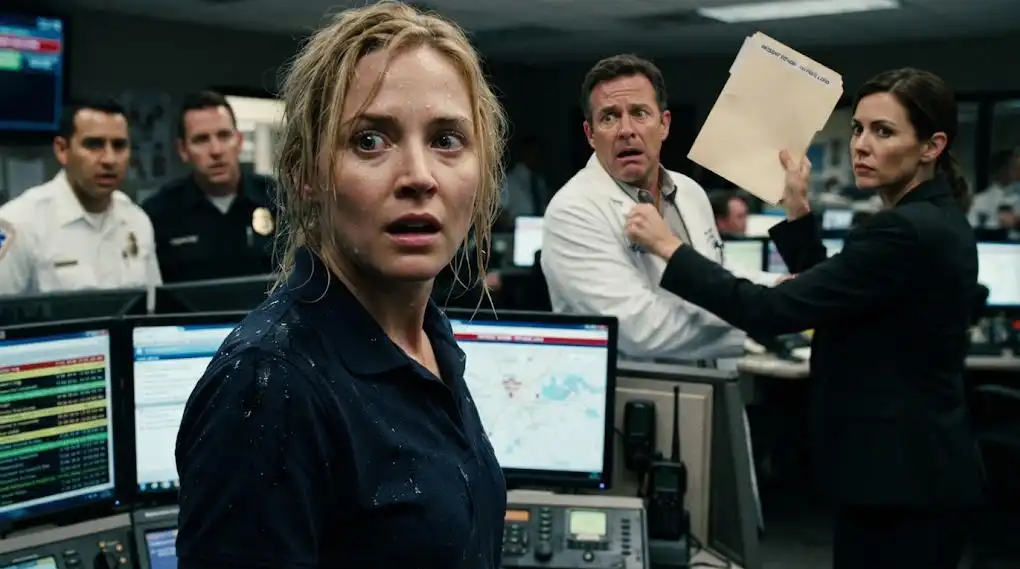
A RURAL TEXAS DOCTOR Poured Ice Water on a Plus-Size Dispatcher in Front of State Inspectors. He Had NO IDEA What She’d Been Recording for Years 😱
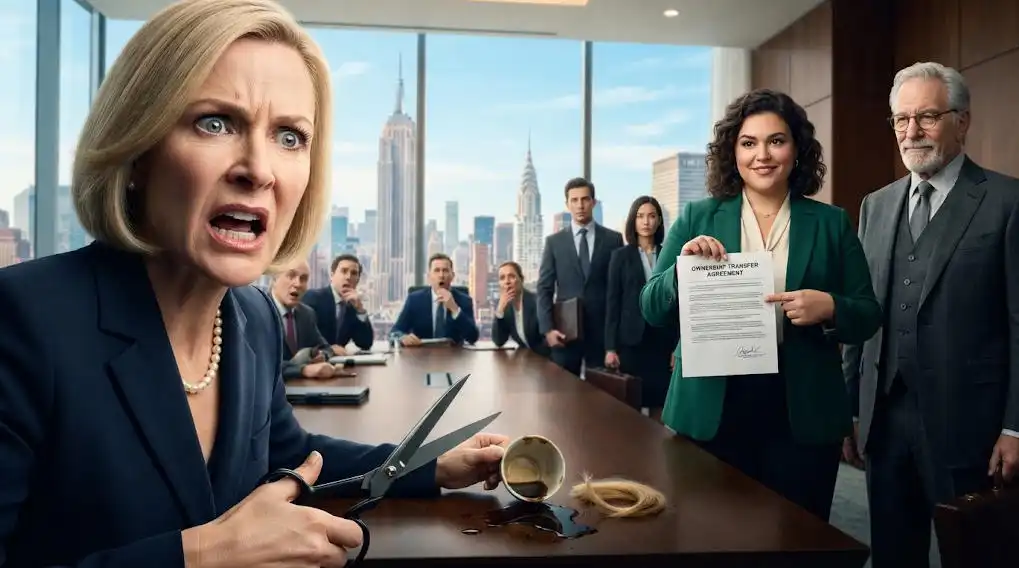
She Cut the Plus-Size Assistant’s Hair and Dumped Coffee on Her in Front of Manhattan’s Executives. She Had NO IDEA Who Maya Really Was... 😱
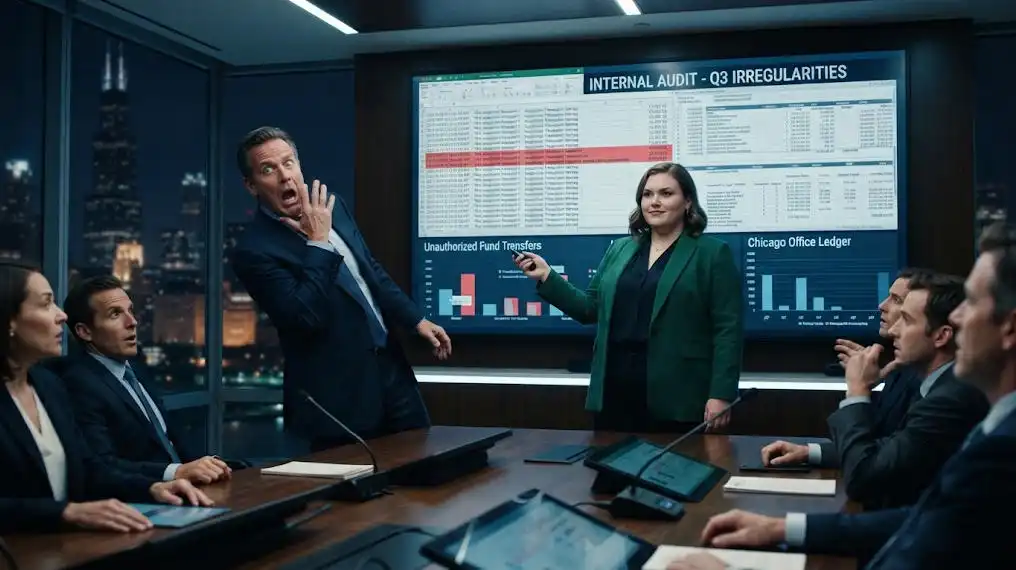
A Chicago Finance Director Poured HOT COFFEE on His Plus-Size Analyst in Front of the Entire Team. He Had NO IDEA What Her Data Could Prove... 😱